Equine Bodywork
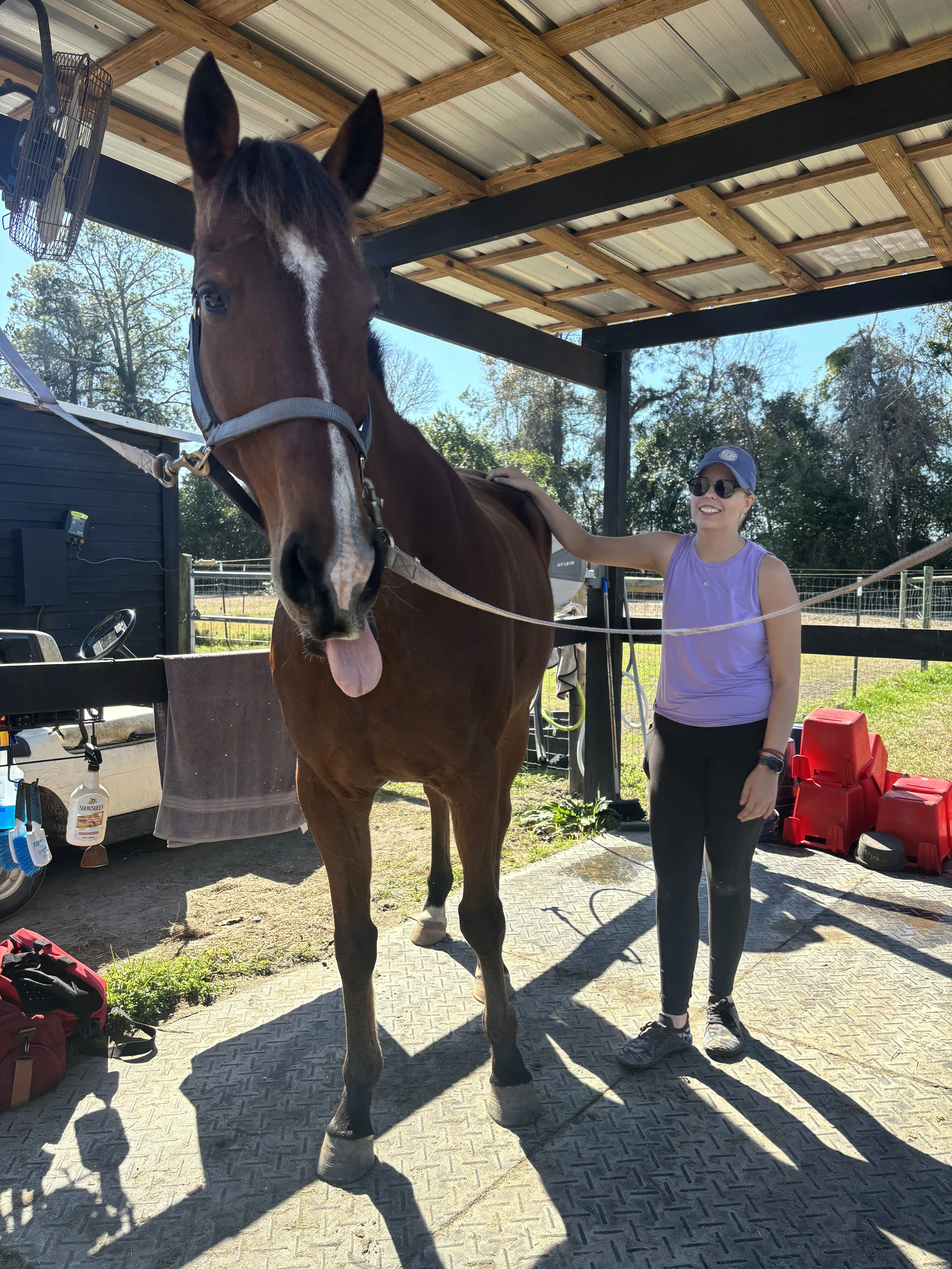
Equine bodywork supports healthy movement, muscular comfort, and recovery. Each session is tailored to your horse’s body, workload, and individual needs—whether they are a performance horse, a senior, or simply deserve to feel their best.
Release Tension • Restore Balance • Support Better Movement
~
Release Tension • Restore Balance • Support Better Movement ~
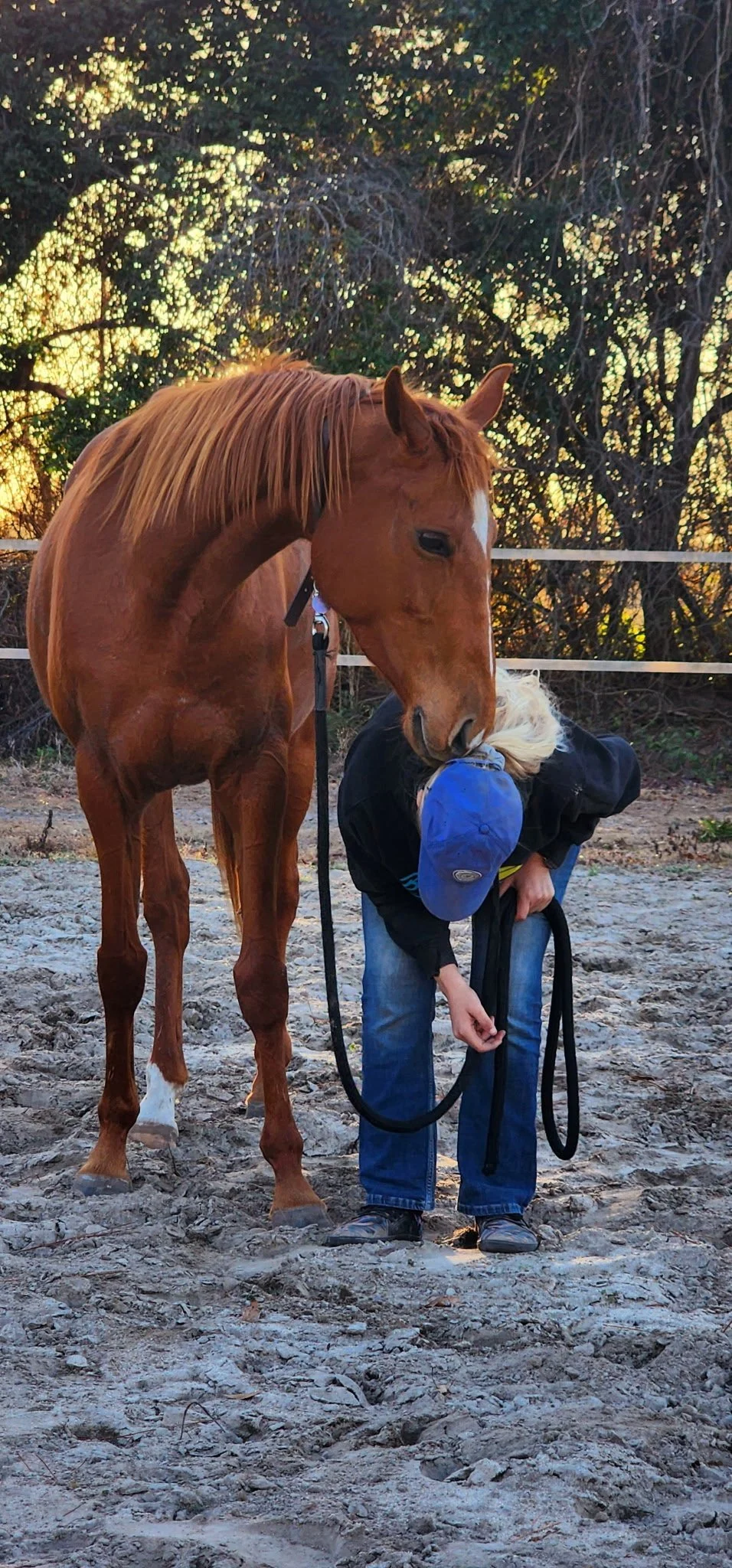
What Is Equine Bodywork?
Equine bodywork is more than massage. It is a whole-horse approach that considers the muscles, fascia, joints, movement patterns, and nervous system. Sessions may incorporate massage, craniosacral therapy, Reiki, red light therapy, balance pads, tuning forks, and other supportive techniques based on what your horse needs that day.
By working with both the physical body and the nervous system, these modalities can encourage relaxation, release tension, improve body awareness, and support more comfortable, balanced movement. Every horse is different, which is why each session is individualized rather than following a one-size-fits-all routine.
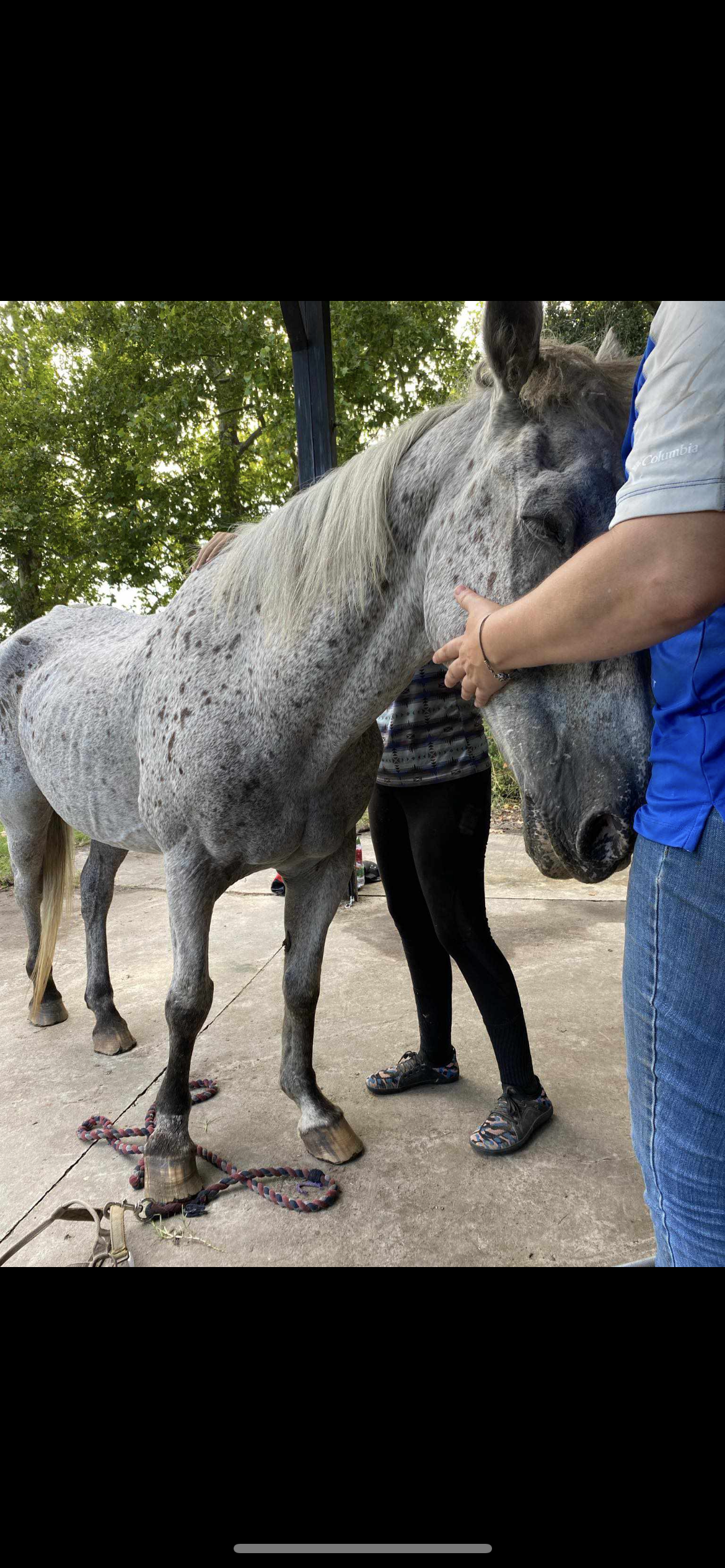
What Happens During a Session?
Every session is guided by your horse—not a predetermined routine. I take time to understand their history, observe how they move, and notice what their body and behavior are communicating. Sessions typically last 60–90 minutes and may include a combination of hands-on bodywork, craniosacral therapy, Reiki, red light therapy, balance pads, tuning forks, and other supportive techniques.
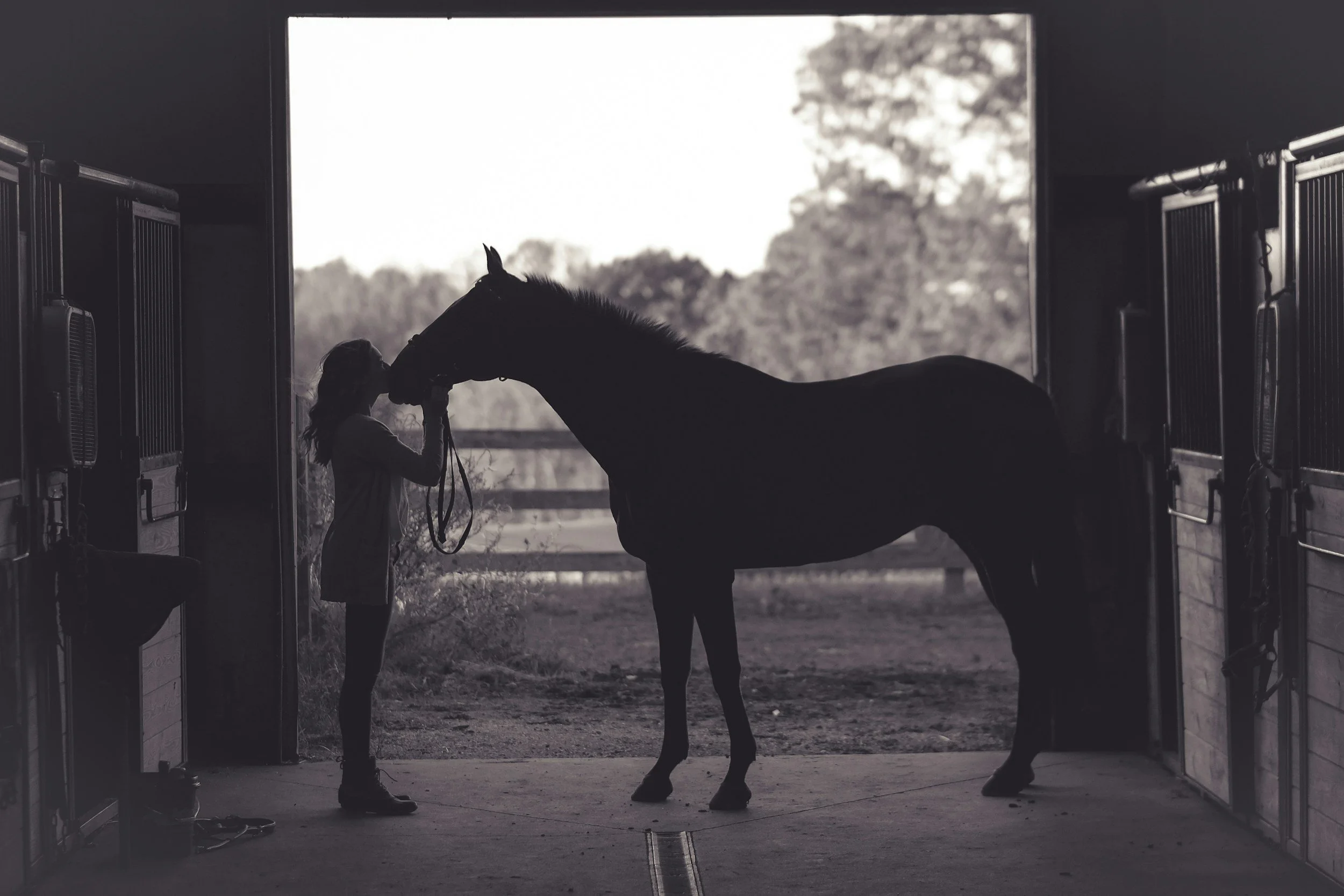
1. History and Check-In
We’ll begin by discussing your horse’s workload, health history, recent changes, and any concerns you have noticed.
2. Whole-Horse Assessment
I’ll observe your horse’s posture, movement, facial expressions, and overall nervous-system state before beginning hands-on work.
3. Individualized Bodywork
I’ll work through the body using the techniques that best support your horse that day. I follow their responses and allow them time to process and release.
4. Reassessment
Throughout the session, I’ll reassess areas of tension, movement, and overall comfort to see how your horse’s body is responding.
5. Findings and Next Steps
Afterward, we’ll discuss what I noticed, how your horse responded, and any recommendations for follow-up care, movement, or collaboration with other professionals.
Certifications
Equine Bodywork Certification (CEMT)
Craniosacral Therapy Certification (SBW)
Reiki Levels I, II, and Master Certification for animals through Havens Animal Therapy
Reiki Levels I, II, and Master Certification for humans through Lisa Powers
USA Bit Fitting Certification, 2020
LANTRA Bit Fitting Certification, 2025
Equine Lesson Instructor Certification, Level 1 of 2
Advanced and Continuing Education
BTMM with Celeste Lazarius
The Art of the Subtle Release with Celeste Lazarius
Introduction to Recognizing and Treating Equine Myofascial Kinetic Lines
Equine Lymphatic Drainage Massage
Fascia Tape for the Neurological Horse
Equine Taping Bundle
Nerve Release Method coursework
Seasonal Acupressure
Animal Communication through Guided Voice
Understanding Equine Anatomy
Hoof Anatomy
How to Balance a Hoof through USC
The Basics of Saddle Fitting
Forage-Based Nutrition
Reining It In: Equine Groundwork Workouts
Gaited Horse and Rider Clinic with Ivy Starnes
Warwick Schiller Horsemanship Clinic Auditor
Healing With Crystals Workshop
Ongoing education through the International Reiki Organization
My education continues to evolve, but the goal remains the same: to provide thoughtful, individualized care that respects the horse, supports the whole body, and encourages comfort without forcing a release.
My approach goes beyond working on individual muscles or following the same routine for every horse. I combine bodywork with craniosacral therapy, Reiki, fascia and nerve-focused techniques, lymphatic work, movement assessment, and my experience as a certified bit fitter. This allows me to consider how the mouth, poll, nervous system, movement patterns, tack, hooves, and the rest of the body may be influencing one another.
I am continually expanding my education so I can view each horse as a whole. While no single practitioner replaces your veterinarian or other qualified professionals, my broad training helps me recognize patterns, ask better questions, and adapt each session to the horse in front of me.